
"black faint"
700 article(s) found

Dominica Coffee Flavor description, Grinding characteristics, Taste treatment methods and varieties introduction
The earliest coffee in Dominica was introduced from Martinique (the overseas province of France), dating back to the early 18th century. Dominica is an island country with a tropical climate. The temperature changes little throughout the year. Except for the lower temperature in the Central Cordillera Mountains, which can reach less than 0 ℃ in winter, the annual average temperature in other areas is between 25 and 30 ℃, which is affected by the mountain topography.

Flavor and taste characteristics of Dominica Santo Domingo Coffee Manor with a winding and smooth aftertaste
In 1795, France and Spain signed the Basel Peace Treaty in Switzerland, agreeing to cede the Santo Domingo area in the eastern part of the island of Dominica to France, making the Spanish island a complete French colony. Six years later, Toussaint Lovidur, a black Haitian, led other black slaves to revolt against French rule and captured Santo Domingo in 1801.

Introduction to the characteristics of Santo Domingo Coffee Grinding method in Dominica
The earliest coffee in Dominica was introduced from Martinique (the overseas province of France), dating back to the early 18th century. Dominica is an island country with a tropical climate. The temperature changes little throughout the year. Except for the lower temperature in the Central Cordillera Mountains, which can reach less than 0 ℃ in winter, the annual average temperature in other areas is between 25 and 30 ℃, which is affected by the mountain topography.

Coffee beans | Price of coffee beans | quotation of coffee beans | how much is the wholesale price of coffee beans?
Yega Chuefei G3 moderate baking sun 78.00 156.00 jackfruit, spices, wine Yega Chuefei G1 moderate baking Guido 85.00 170.00 blueberries, honey, purple fruit, citrus blend Yega Xuefei G1 Ariga light baking sun 95.00 190.00 light fermented wine, sweet orange, spices, honey Yega Xuefei G2

Meticulous and elegant Sidamo boutique coffee bean planting situation, geographical location, climate and altitude
Due to the high grade and low defect rate, the aroma is full and rich, with blueberry, red berry, cherry and citrus aromas as the main aroma, fermented fruit and wine as the finish rhyme, sweet and sour rich, charming and interesting shallow baked Yega snow caffeine Yirgacheffe, baked over low heat for 15 minutes (210C) and glided for half a minute. Immediately cool the beans and blow off the silver skin.

Dominica coffee with rich aroma and mellow taste the characteristics of boutique coffee in manor area
In 1677, about 4,000 French lived in 11 villages in the west of the island. In 1697, France and Spain ceded the western part of the island to France according to the Leswick Treaty of the Alliance War, formally recognizing French sovereignty over Haiti in the western part of the Spanish island, and the eastern part of the Spanish island was called East Santo Domingo. France continues to develop its agricultural economy on the island of Hispaniola.

What brand of black coffee is good or expensive? Evaluation of the best black coffee brand hanging ear coffee bag recommendation
Professional coffee knowledge exchange more coffee bean information please follow Coffee Workshop (Wechat official account cafe_style) the world's three major coffee growing areas: Africa, Indonesia and Central and South America. The flavor varies from place to place, such as light and vibrant Central American coffee beans and full-bodied Indonesian beans. These are also some coffees.

Introduction to the Flavor description of Dominica Coffee varieties with excellent acidity
In the early 17th century, when French, Dutch, and British pirates were operating in the western part of Hispaniola, France began to allow farmers and merchants to gradually colonize the western part of the Spanish island, blocked by the island's mountains. Without attracting the attention of the Spaniards in the east, L'Or é al arrived in Santo Domingo in 1801. He abolished slavery on behalf of the French government. In 1802, Napoleon sent
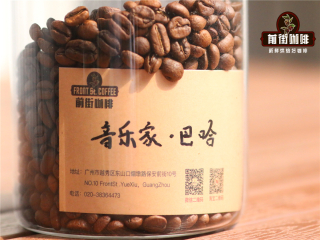
Introduction to the characteristics of Costa Rican coffee bean honey treatment what is the difference between black, red, yellow and white honey
The quality of the selected sunburn method of honey treatment is difficult to control, while the water washing method consumes a lot of water, with an average of 10-20 tons of water per ton of coffee fruit to produce about 200 kilograms of coffee beans, which the producing countries that are not rich in water resources cannot afford. In the 1990s, taking advantage of the unique dry climate, Brazil invented peeling and tanning.

Introduction to the characteristics of flavor description treatment of Dominica Santo Domingo coffee
The earliest coffee in Dominica was introduced from Martinique (the overseas province of France), dating back to the early 18th century. Dominica is an island country with a tropical climate. The temperature changes little throughout the year. Except for the lower temperature in the Central Cordillera Mountains, which can reach less than 0 ℃ in winter, the annual average temperature in other areas is between 25 and 30 ℃, which is affected by the mountain topography.

Introduction to taste treatment of grinding scale varieties of Dominica Santo Domingo coffee
The earliest coffee in Dominica was introduced from Martinique (the overseas province of France), dating back to the early 18th century. Dominica is an island country with a tropical climate. The temperature changes little throughout the year. Except for the lower temperature in the Central Cordillera Mountains, which can reach less than 0 ℃ in winter, the annual average temperature in other areas is between 25 and 30 ℃, which is affected by the mountain topography.

A brief introduction to the market price of rare and expensive Sidamo boutique coffee beans
The Sidamo producing area is located in southern Ethiopia, extending to the districts of Arsi and Bale in the east and Gamogofa in the west, where agriculture is the main industry, and coffee is mainly grown around the Great Rift Valley (Great Rift Valley) of East Africa. The largest town in Sidamo is Hawassa, which has developed rapidly in recent years. Many modern restaurants and hotels have been set up.

Dominican coffee with a lingering, smooth finish. Taste. Manor. Features.
The Dominican Republic is a favorite country for travelers. It borders Haiti on Hispaniola in the West Indies, Dominica to the west and Haiti to the east. The whitest, softest white beaches in the world, cool sea breezes from the Atlantic and Caribbean and warm tropical sunshine make it a holiday paradise on par with the Maldives and Hawaii

A brief introduction to the market price of bright and sour Dominican boutique coffee beans
The earliest coffee in Dominica was introduced from Martinique (the overseas province of France), dating back to the early 18th century. Dominica is an island country with a tropical climate. The temperature changes little throughout the year. Except for the lower temperature in the Central Cordillera Mountains, which can reach less than 0 ℃ in winter, the annual average temperature in other areas is between 2530 ℃, which is affected by the mountain topography.

A brief introduction to the origin, development, history and culture of Dominican boutique coffee beans with pleasant fragrance
The temperate climate in Dominica is conducive to coffee cultivation, and the best places to grow coffee are the Barahona region in the southwest and the Cibao Valley north of Santiago, Dominica's second largest city. The northern region, represented by Hibao, and the southern region, including Okayabani Santo Domingo, produce good coffee. Among them, Santo

A brief introduction to the market price of meticulous and elegant Sidamo boutique coffee bean varieties
Yirgacheffe coffee raw bean is one of the most distinctive coffee in the world, rare and expensive. It is produced in the plateau of Ethiopia's Sidamo province (2000 meters above sea level). It is an outstanding representative of washed coffee in Africa. It has always been famous in the eyes of global coffee connoisseurs. Rare washed high quality Elaraby plus coffee is suitable for all degrees of roasting.

A brief introduction to the Origin, Development, History and Culture of Sidamo Fine Coffee beans
Light-baked Yirgacheffe, roast over low heat for 15 minutes, turn off the heat and glide for half a minute, then cool the beans and blow off the silver skin. The coffee beans are roasted evenly (because the raw beans are washed and clean) and brown. When using hand coffee grinding, it feels good, smooth and moderate resistance. The dry aroma of coffee powder is a little earthy at first, right away.

Healthy drinking Coffee | freshness and Preservation of Coffee
Professional barista communication Please pay attention to the coffee workshop (Wechat official account cafe_style) generally drink bitter heavy-roasted coffee, want to add sugar, enjoy the sweet taste; light roasting is sour, but also add cream, cream balls, sugar and other seasonings. These additives will spoil the coffee and cause various burdens on the body. The author prefers the golden mean and the bitterness of roasted coffee.
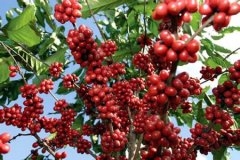
A brief introduction to the planting market price of Dominica boutique coffee beans with mellow taste
The earliest coffee in Dominica was introduced from Martinique (the overseas province of France), dating back to the early 18th century. Dominica is an island country with a tropical climate. The temperature changes little throughout the year. Except for the lower temperature in the Central Cordillera Mountains, which can reach less than 0 ℃ in winter, the annual average temperature in other areas is between 2530 ℃, which is affected by the mountain topography.

What is the quality of coffee produced by island countries? Dominica Santo Domingo coffee
The earliest coffee in Dominica was introduced from Martinique (the overseas province of France), dating back to the early 18th century. Dominica is an island country with a tropical climate. The temperature changes little throughout the year. Except for the lower temperature in the Central Cordillera Mountains, which can reach less than 0 ℃ in winter, the annual average temperature in other areas is between 25 and 30 ℃, which is affected by the mountain topography.